


大溪工藝之城——從工藝出發的一場生活倡議
Daxi – A Craft Town: a lifestyle initiative starting from craft
2026/06/03
專欄
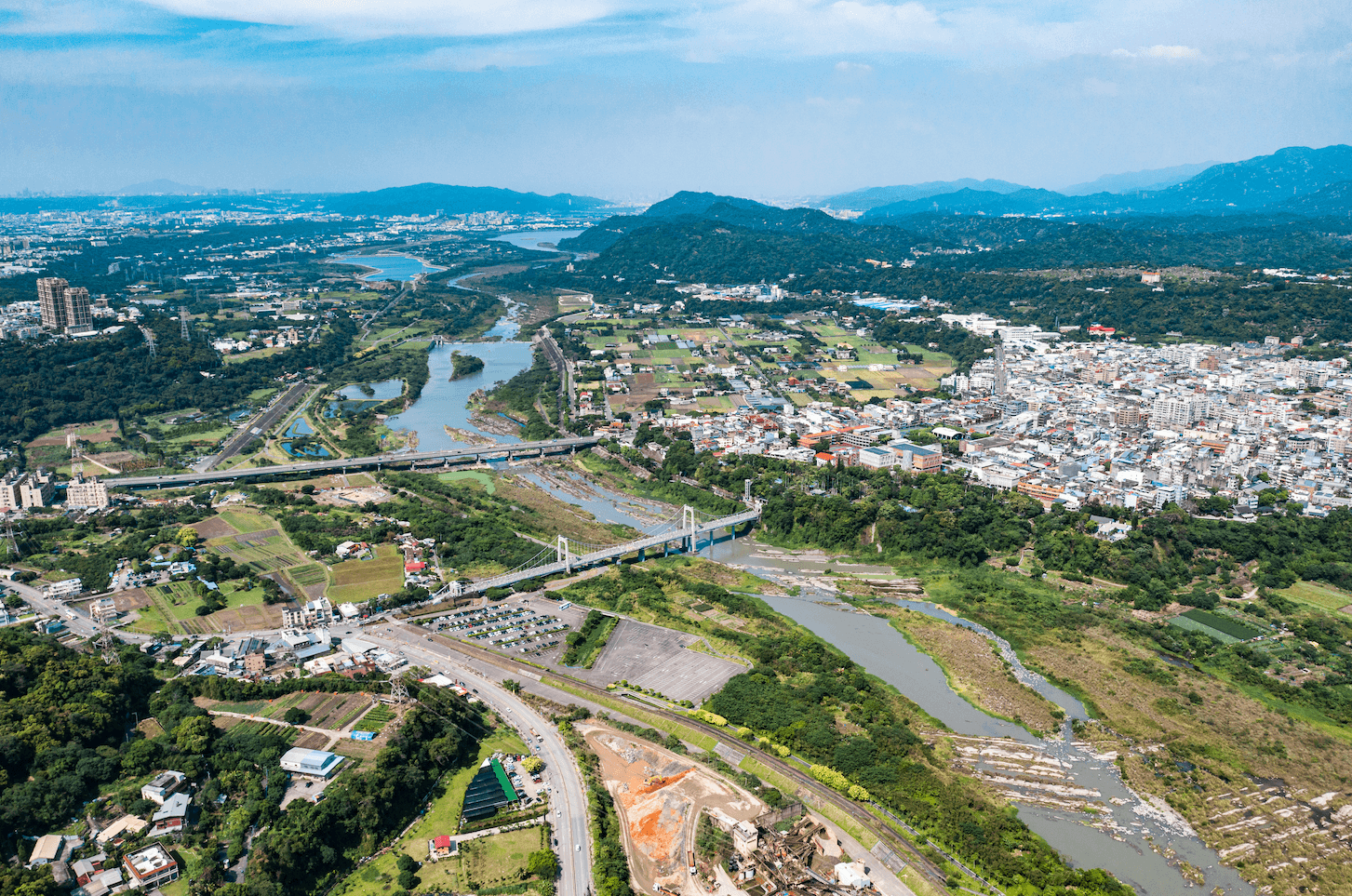
2025年正式啟動的「大溪工藝之城」品牌計畫,不只是工藝的推動,更是一種讓工藝成為日常、與人同行的生活倡議。它關乎物件的製造與使用、對環境的尊重,以及人與土地的連結。這場由地方博物館發起的行動,不再只談保存與傳承,更希望帶動創新、思考,以及居民的對話。
在「大溪工藝之城」元年的歲末之際,我們邀請了主力推動者——大溪木藝生態博物館館長陳倩慧,以及長期關注博物館學與地方文化、對大溪發展有著深刻觀察的王新衡教授一起,重新審視博物館扮演的角色。當工藝不再只是技藝的代名詞,而是一種生活態度與實踐的精神時,大溪這座小鎮,或許正嘗試從這場行動中,勾勒屬於自己未來的形貌。
The brand campaign of “Woodcraft Daxi” launched in 2025 not only promotes craft but is a lifestyle initiative that brings craft into our daily lives. It concerns the production and the use of objects, the respect for the environment and the relationship between people and land. This action initiated by the local museum is more than the talk of preserving and passing down the traditions but aims to prompt innovation, thinking, and the dialogue with the locals.
In the end of the first year of “Woodcraft Daxi”, we invite the main promoter Chen Chien-hui, the Director of Taoyuan City Daxi Wood Art Ecomuseum, and Prof. Wang Sin-heng, who has not only studied museology and local culture but observed the development in Daxi for years, to reexamine the role the museum plays. When “craft” is no longer just a byword for skill but becomes an attitude towards life and realization, perhaps, Daxi is trying to envision its outlook.
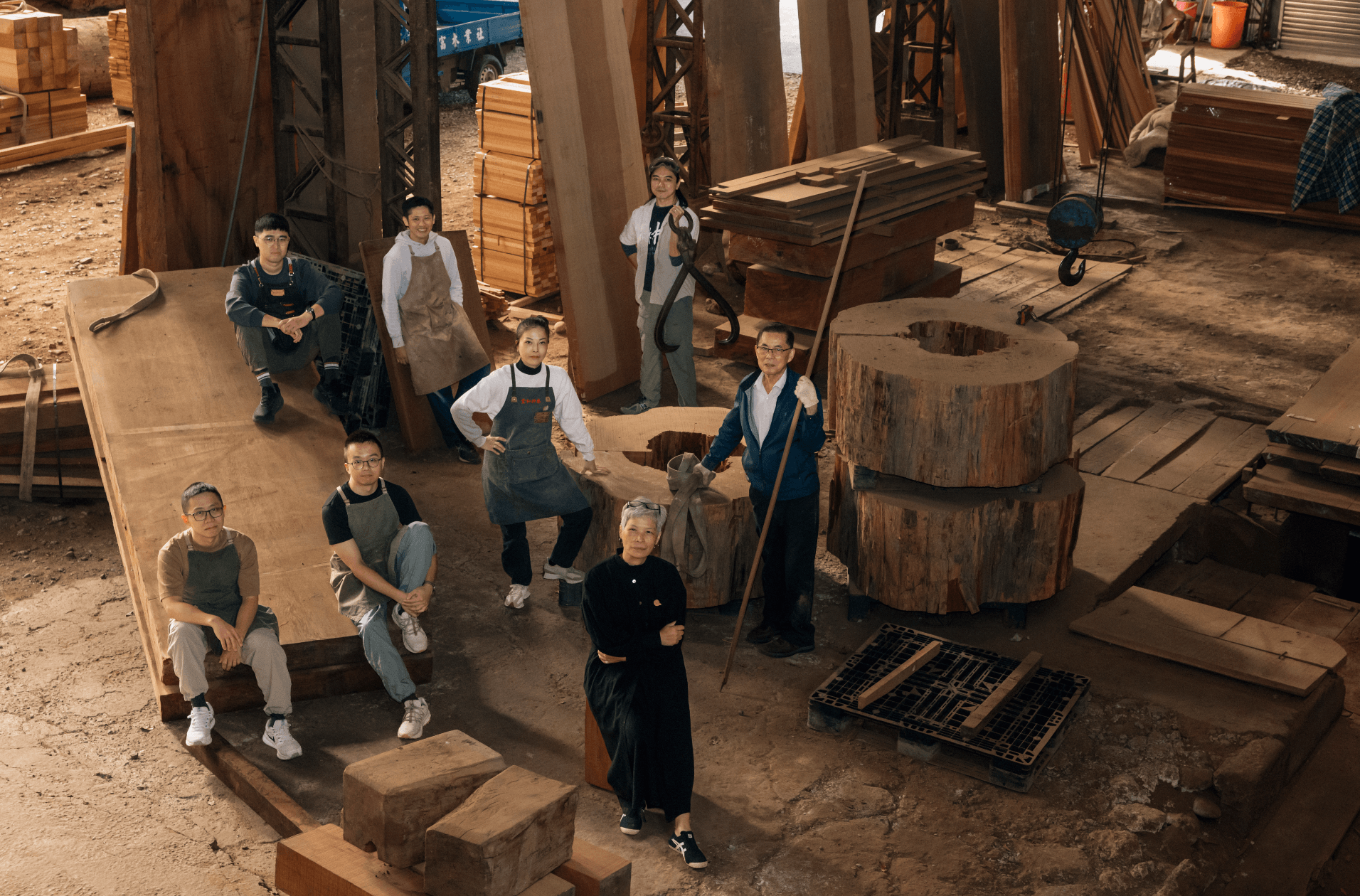
Q:在這個工藝從產業走向文化的時代,兩位會如何定義「工藝」?在你們的觀察中,工藝是如何走進人們的生活?
倩慧:木藝是大溪的核心,在臺灣木家具產業面臨市場挑戰的當下,大溪的木工藝如何傳承與創新成為課題。我們在乎古老傳承的技藝,也追求它隨時代進化的模樣,在大溪,工藝不只是技藝的統稱,也是一種態度與價值觀。百年來這座小鎮的生活及空間裡藏著各種工藝,從牌樓的剪黏、泥作,到製作家具及神桌聞名的木工,以及近年和世界交流、保留傳統工藝精神並融入設計的當代生活器物等,我們不想以單一的木藝來畫地自限,工藝才能帶大家看見大大小小藏在生活中的技藝,也是大溪完整的樣貌。這是我們選擇「工藝」來定義大溪的主要原因。
新衡:單從字面上理解「工藝」,經常指的是手工製作的技藝。在產業革命之前,人類的生產大部分都是手工製作,然而在百年來資本社會大量生產的時代,生活與生產必須傳承什麼核心價值呢?以我為例,曾經在傳統西裝店訂製了純手工裁量縫製的西裝,有需要那麼貴的衣服嗎?這個價錢可以在連鎖品牌買到3-4件。但訂製的西裝不但可以調整尺寸,布料與手工的質感更不在話下,訂製時與師傅對話的過程,更讓我珍惜這件西裝的存在,會想要珍惜並長久地穿它。對我來說工藝就是傳承人類的知識與精神。
倩慧:大溪的工藝多數都用在製造日常用品,從一個杯子到一張手工椅,當你有能力買下一個好的物件擺在家裡,你就會想要好好對待它、捨棄旁邊雜亂的物件,一步步讓空間配得上這個好東西。工藝的價值就在於為自己創造出好的生活風景,而大溪就是這樣的一個小鎮,各式各樣的工藝與匠人在這裡生活,共同形塑出獨特的面貌與價值觀。
工藝也引領大溪思考資源的浪費,地球真的有需要那麼多東西嗎?一件用心縫製的西裝,能讓使用者欣賞、保存,並長久使用,甚至傳給後代,無形間就減少了資源浪費。雖然工藝真的貴了點,但一張好的椅子會改變你家中的風景,也會讓你從此更審慎決定買進家裡的東西。工藝的存在除了培養美學的視野、減少浪費,也會改變一個人看待生活的眼光。
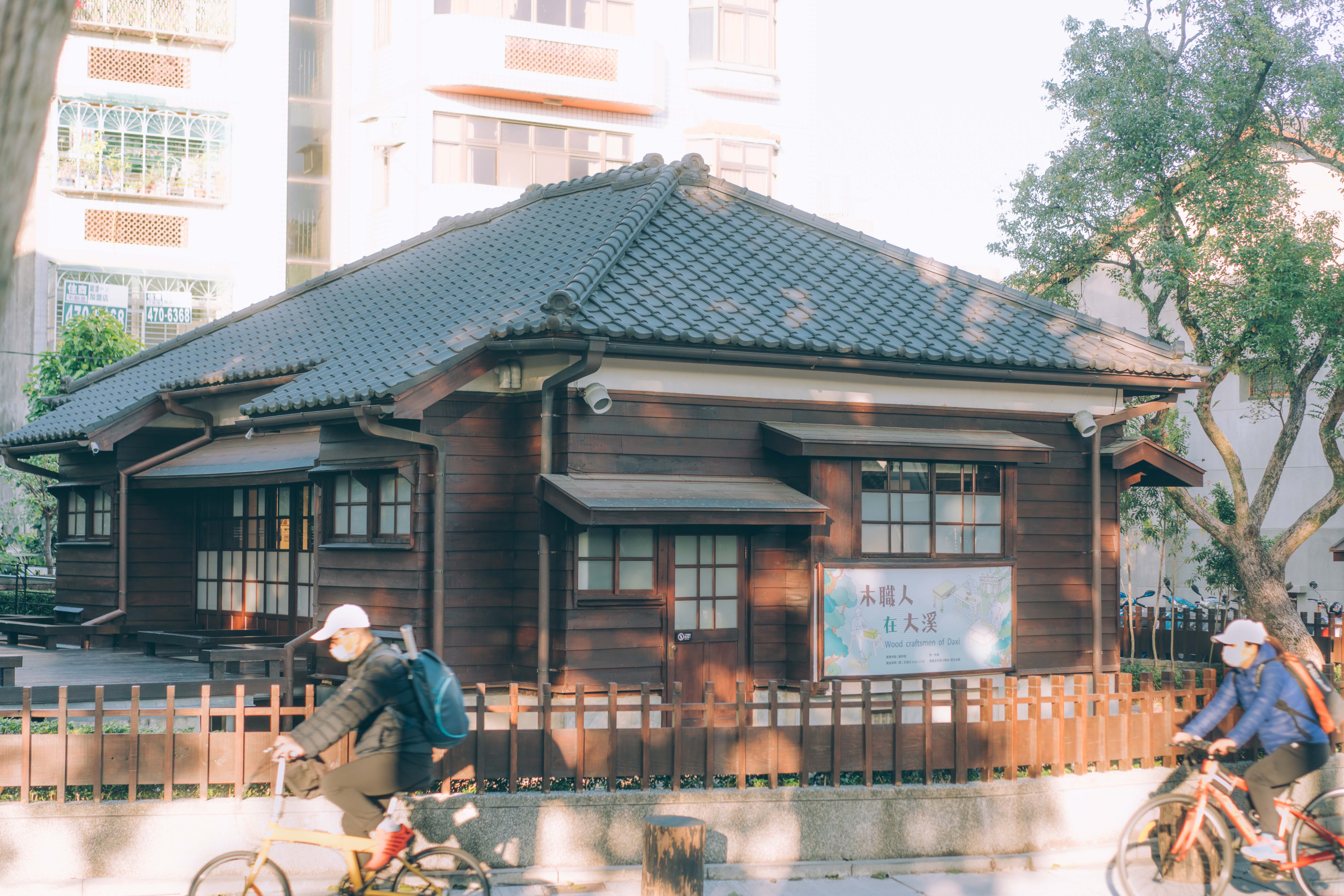
Q:大溪作為「工藝之城」的起點,其獨特之處是?
新衡:大溪的獨特是橫跨飲食、信仰、族群與產業的,這裡既有當代創新的設計,也保有傳統產業與店家。即便在大都會邊緣,大溪的當代發展也沒有太明顯的斷層,同時保有歷史文化價值,以及對傳統職人的尊重,這是我認為大溪能成為工藝之城的關鍵因素。
倩慧:外人來大溪參訪時常問,為什麼居民願意跟博物館合作?我想那是因為他們從來都不只是配合博物館而做,而是在為更好的自己與生活付出努力。多年來博物館試圖在所有活動與計畫中創造一個環境,讓每個居民看見自己的價值,知道自己擁有的東西是值得被好好保存與對待的。所以「大溪工藝之城」是一個倡議,需要居民一起投入、激發新的想法,也唯有居民願意投入,才有機會朝向一個集體共好的未來。
新衡:工藝的價值即是與人分享、互動,然後被使用。因此工藝之城並不是一個準備好再推出的狀態,而是因應大溪擁有的先天條件。我們從中看見傳統文化長久發展的特質,透過「地方品牌」的設定與倡議,讓原有的東西繼續發揚,同時帶動更多的行動與計畫。
倩慧:「大溪工藝之城」要談的也不只是技藝,而是一種生活價值,一場由大溪啟動的「倡議」。我們想讓工藝的精神與價值連結到食衣住行,讓大溪不只是一個擁有工藝與天然資源的地區,更是與工藝共生、傳承百年生活美學與價值的城鎮。透過「大溪工藝之城」再次定義,讓大家知道大溪對待資源與技藝的態度。
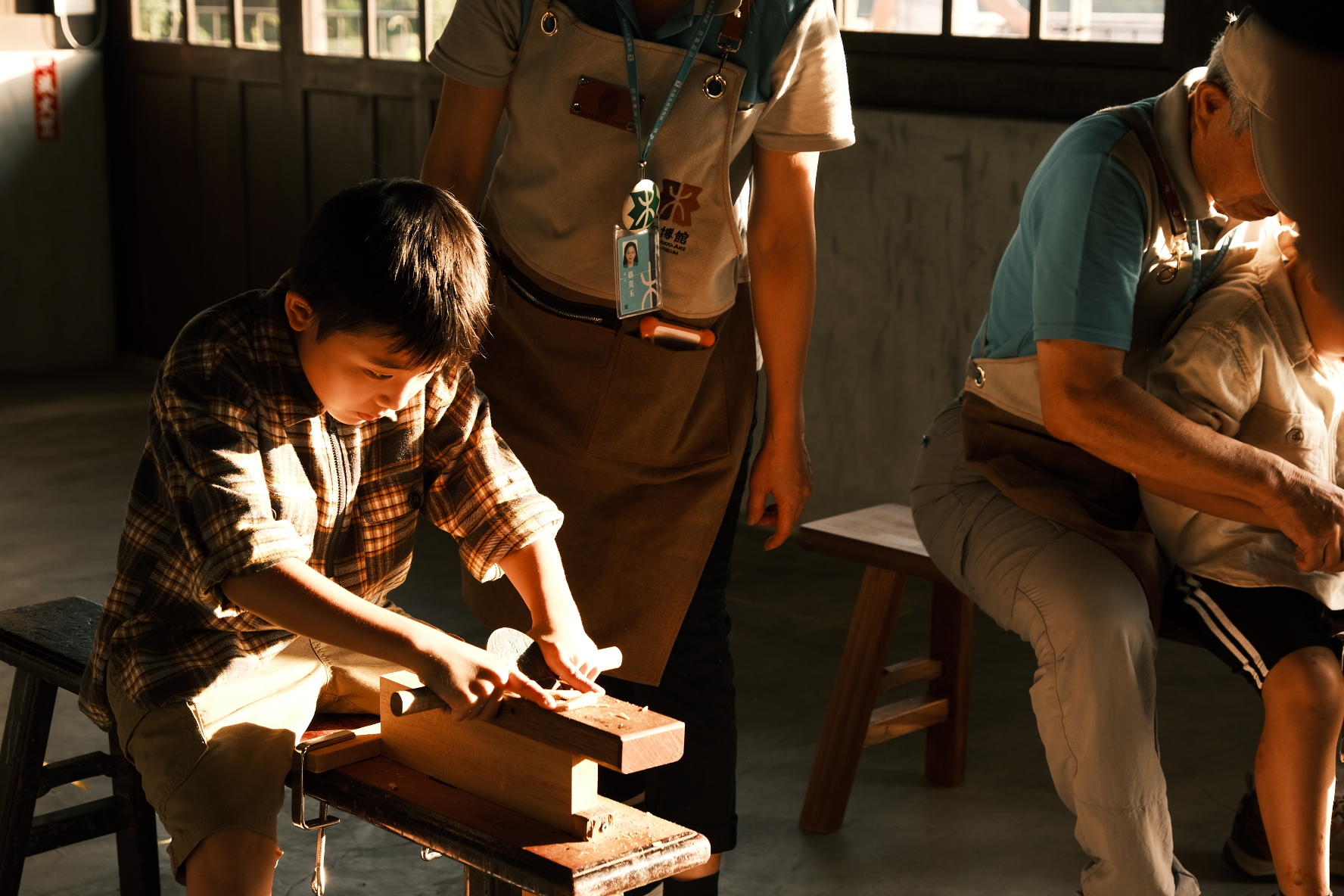
Q:最後,聊聊你們對「大溪工藝之城」的願景?外地人可以看到什麼樣子的大溪?
新衡:近年國際上又開始強調「文化生態系」,這不只是懷舊或美學,而是一種生存價值。我們都知道生態系統是越多元越穩定,單一反而會導向集體衰敗。這也回扣一開始提到,為什麼大溪不能只講木工藝?因為唯有當我們將環境營造得更豐富,將各式工藝都納入大溪文化生活之中,才有機會創造傳統與當代長遠且穩定的關係。
倩慧:環境應該變成什麼樣子?大溪要成為什麼樣的大溪?這些年來大溪居民從未停止討論,我們始終在對話與調整,對我來說,這才是一個城鎮的生活百態。「大溪工藝之城」不只是倡議、創造價值,也是大溪人共同在想像的一個未來畫面。你問我那個畫面是什麼,我現在沒有答案,然而不管大溪最終長成什麼模樣,都會是大溪人共同決定並努力的模樣。
Q: In a time when “craft” evolves from an industry into culture, how do you two define “craft”? Based on your observation, how did craft get into people’s lives?
Chien-hui: Woodcraft is the core of Daxi. While the Taiwanese wood production gradually turns into an industry, the Woodcraft in Daxi is becoming even more precious and more environmentally friendly. While we cherish the traditional skills that have been passed down for generations, we also pursue their progressing with the times. “Craft” is not only a collective noun for all craft skills but an attitude and a value, and this is why we choose the word “woodcraft” instead of “woodworking” to define Daxi. For a hundred years, all kinds of crafts developed in Daxi; for instance, the cut-and-paste ceramic art and masonry seen in the building façades and the woodworking best known for altar tables. We don’t want to confine ourselves to
woodworking. Only when we start from “craft” can we show people all the skills hidden in our daily lives, and that is the complete picture of Daxi.
Sin-heng: Our understanding of the word, “craft”, often refers to handicraft skills. Before the Industrial Revolution, most of the products were hand-made. However, in a time when goods have been massively produced for hundreds of years in a capitalist society, regarding life and production, what core values should be passed on? Take my own experience for example, once I ordered a hand-made suit from a traditional tailor shop. Did I need such expensive clothes? With the same amount of money, I could have got three or four suits from a chain store. But nevertheless, you could adjust the size of a tailor-made suit, not to mention the exquisite quality of fabric and craftsmanship. While the suit was being made, the conversation I had with the tailor made me appreciate the suit even more and want to wear it for life. For me, craft is about passing down the knowledge and spirit of human beings.
Q: As the start of “Woodcraft Daxi”, what is unique about Daxi?
Sin-heng: The uniqueness of Daxi lies in food, beliefs, ethnic groups, and industries. Here we see the contemporary innovative design as well as the traditional industries and shops. Even though it’s situated close to a metropolis, there are no obvious gaps in its development in modern times. It has preserved the historical and cultural values and the respect for traditional craftsmen. I think this is the key that makes Daxi a craft town.
Chien-hui: Often the visitors ask us why the locals are willing to collaborate with the Daxi Museum. I think it’s because they never see it merely as collaboration with the Daxi Museum but making effort to improve themselves and their lives. For years, in all our activities and plans, the Daxi Museum has been trying to create an environment in which every resident can see their own value and know what they have is something worth preserving, something worth being treated properly. So, “Woodcraft Daxi” is an initiative that needs the residents to work together, to inspire new ideas. Only when the residents are willing to join in will we have the chance to create a beautiful future collectively.
Sin-heng: The value of craft lies in sharing and interacting with people and then being used. So, “Woodcraft Daxi” isn’t something that we have prepared and launched but something that responds to the conditions Daxi already has. In these conditions, we see the quality that allows
the traditional culture to develop for a long term and through the creation and the initiative of a local brand, we let the existing things continue to develop while we carry out more actions and plans.
Q: Lastly, can you talk about your vision of “Woodcraft Daxi”? When a visitor comes, what will Daxi look like to them?
Sin-heng: In recent years, “cultural ecosystem” has once again gained attention on the international stage. It’s not just nostalgia or aesthetics but a survival value. We all know the more diverse an ecosystem is, the more stable it is whereas biological uniformity leads to collective decline. So, it goes back to what we mentioned in the beginning – why can’t we confine Daxi to woodworking? Because only when we create a diverse environment and include all
kinds of crafts in the culture and people’s lives in Daxi can we have the chance to build a stable long-lasting relationship between the traditional and the contemporary.
Chien-hui: What should the environment look like? What kind of Daxi should Daxi become? In all these years, the locals never stop discussing these issues. We keep talking to each other and adjusting. For me, this is what the lives in a town should look like. “Woodcraft Daxi” is not only an initiative or just about creating value but a picture of the future that Daxi residents collectively imagine. If you ask me what the picture will look like, I can’t answer you right now. Nonetheless, no matter what Daxi looks like in the future, it’ll be the result of the collective effort and decision made by Daxi residents.


