


用工藝跟世界交朋友
Through the Eyes of Our Friends…
2026/06/15
專欄
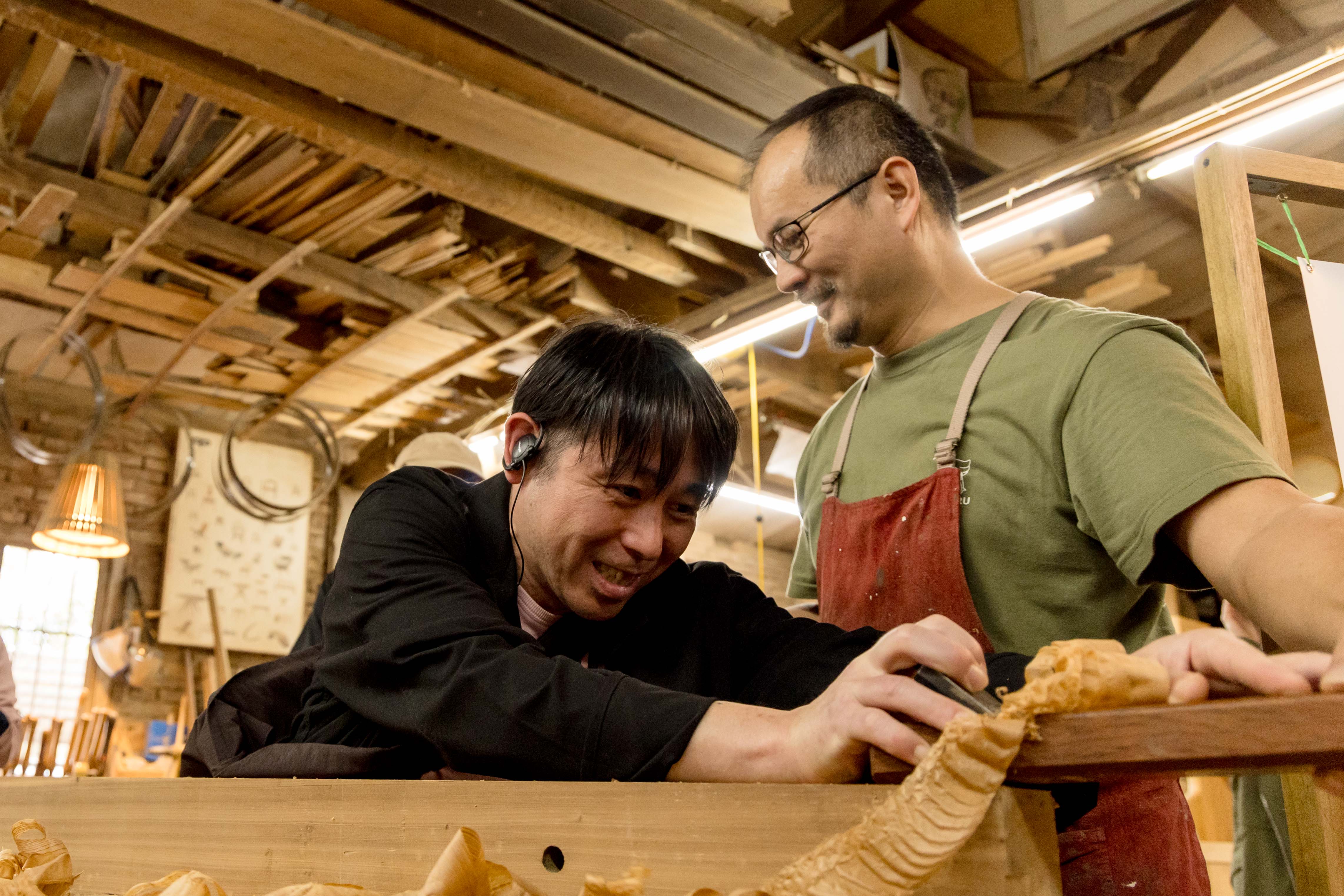
工藝不只是大溪的重要資產,更是大溪與世界交朋友的橋樑,以及銜接世界趨勢的生活倡議。我們邀請了近年因工藝而與大溪產生連結的工藝好朋友,分享他們眼中的大溪。
Craft is not only an important asset of Daxi but a bridge through which Daxi makes friends. Moreover, it is a lifestyle initiative that connects Daxi to the world. We invite the craftsmen who have become associated with Daxi in recent years to talk about the Daxi in their eyes.
Craft is not only an important asset of Daxi but a bridge through which Daxi makes friends. Moreover, it is a lifestyle initiative that connects Daxi to the world. We invite the craftsmen who have become associated with Daxi in recent years to talk about the Daxi in their eyes.
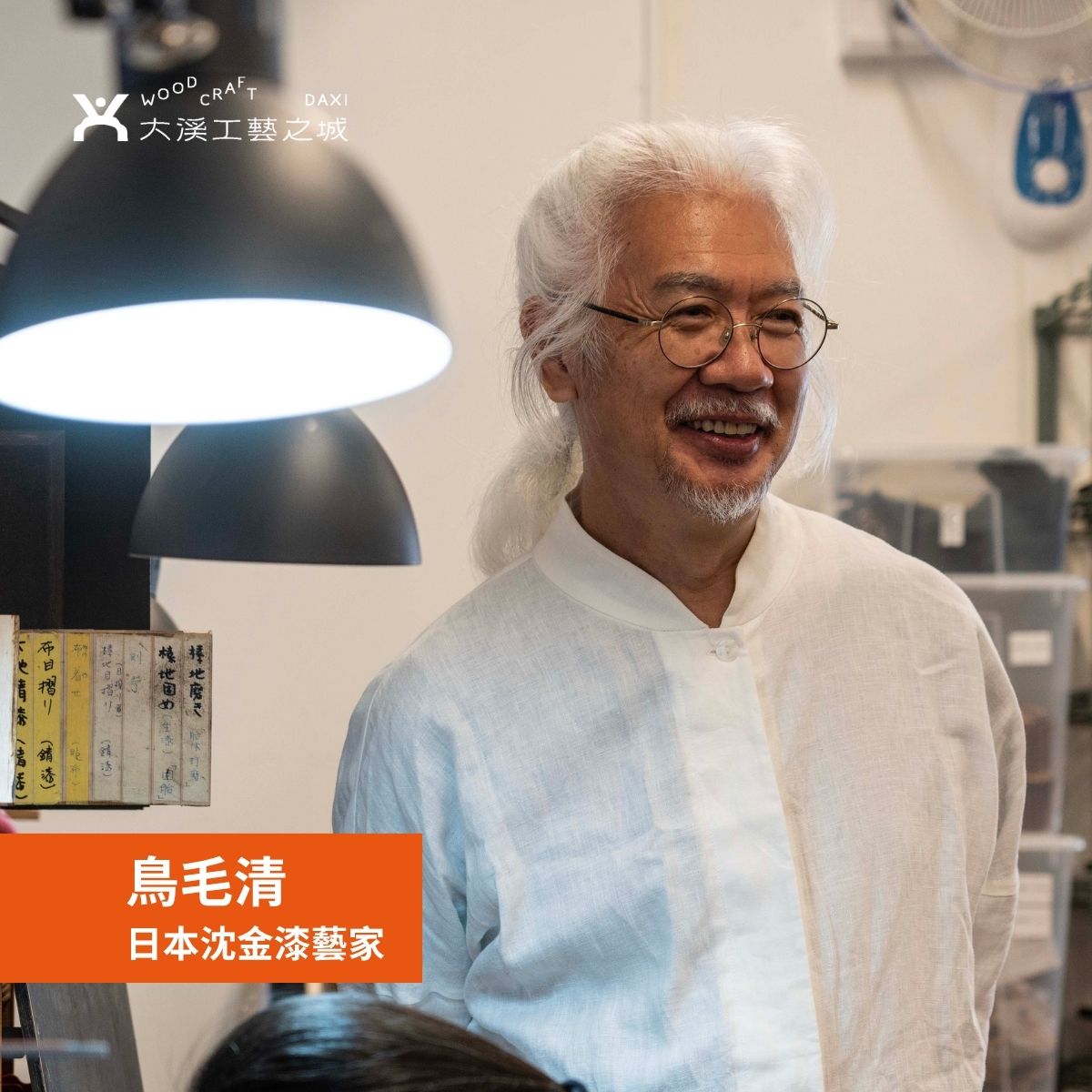
鳥毛清——日本沈金漆藝家
第一次來大溪時,感覺像是走進電影場景,帶點昭和復古的味道,令人懷念。我特別喜歡從工藝教室宿舍窗外向外望的田野風光,以及和平老街那條像是從舊世界穿越到新世界的時光隧道,在木博館的老建築裡生活的那一個月,我至今依然印象深刻。
漆藝開啟了我與大溪十年的緣分。工藝在日本是引領時代的一部分,因此對我來說,貼近日常生活的大溪工藝品,是有點落後,沒跟上時代發展的。但我始終認為臺灣無需嚮往日本,作品不會說謊,好的作品自然會讓大家覺得好。博物館可以多展示屬於臺灣的工藝,尤其那些能讓臺灣年輕人感到憧憬的、屬於自己國家的職人手作。接下來我還想在臺灣發展漆的工具,讓大家自己動手做、使用在自己國家生產的工具。聽起來我好像對大溪很嚴厲,那是因為,大溪是我在臺灣最喜歡的地方。
Torige Kiyoshi – Chinkin lacquerware artist, Japan
When I first arrived in Daxi, I felt as if I had walked onto a film set. The feel of Showa period filled me with a sense of nostalgia. I particularly loved looking out into the beautiful fields through the windows in Arts & Crafts Classroom and Heping Road felt like a time tunnel that led us from the old days to the modern times. Even now, I still vividly remember the month I stayed in that old building at the Ecomuseum.
Lacquer art initiated my ten-year relationship with Daxi. Craft often sets the trend in Japan, so the everyday objects made in Daxi feel a bit old-fashioned to me. But I always believe there is no need for the Taiwanese to long for what happens in Japan. Works don’t lie. A good work always receives appreciation from people. The museum should exhibit more Taiwanese craftsmen’s works, especially the handicrafts that Taiwanese young people desire and truly belong to Taiwan. Soon, I would like to develop some lacquerware tools in Taiwan so people can do it themselves, using the tools made in their own country. I sound quite critical of Daxi, but it’s because Daxi is my favorite place in Taiwan.
第一次來大溪時,感覺像是走進電影場景,帶點昭和復古的味道,令人懷念。我特別喜歡從工藝教室宿舍窗外向外望的田野風光,以及和平老街那條像是從舊世界穿越到新世界的時光隧道,在木博館的老建築裡生活的那一個月,我至今依然印象深刻。
漆藝開啟了我與大溪十年的緣分。工藝在日本是引領時代的一部分,因此對我來說,貼近日常生活的大溪工藝品,是有點落後,沒跟上時代發展的。但我始終認為臺灣無需嚮往日本,作品不會說謊,好的作品自然會讓大家覺得好。博物館可以多展示屬於臺灣的工藝,尤其那些能讓臺灣年輕人感到憧憬的、屬於自己國家的職人手作。接下來我還想在臺灣發展漆的工具,讓大家自己動手做、使用在自己國家生產的工具。聽起來我好像對大溪很嚴厲,那是因為,大溪是我在臺灣最喜歡的地方。
Torige Kiyoshi – Chinkin lacquerware artist, Japan
When I first arrived in Daxi, I felt as if I had walked onto a film set. The feel of Showa period filled me with a sense of nostalgia. I particularly loved looking out into the beautiful fields through the windows in Arts & Crafts Classroom and Heping Road felt like a time tunnel that led us from the old days to the modern times. Even now, I still vividly remember the month I stayed in that old building at the Ecomuseum.
Lacquer art initiated my ten-year relationship with Daxi. Craft often sets the trend in Japan, so the everyday objects made in Daxi feel a bit old-fashioned to me. But I always believe there is no need for the Taiwanese to long for what happens in Japan. Works don’t lie. A good work always receives appreciation from people. The museum should exhibit more Taiwanese craftsmen’s works, especially the handicrafts that Taiwanese young people desire and truly belong to Taiwan. Soon, I would like to develop some lacquerware tools in Taiwan so people can do it themselves, using the tools made in their own country. I sound quite critical of Daxi, but it’s because Daxi is my favorite place in Taiwan.
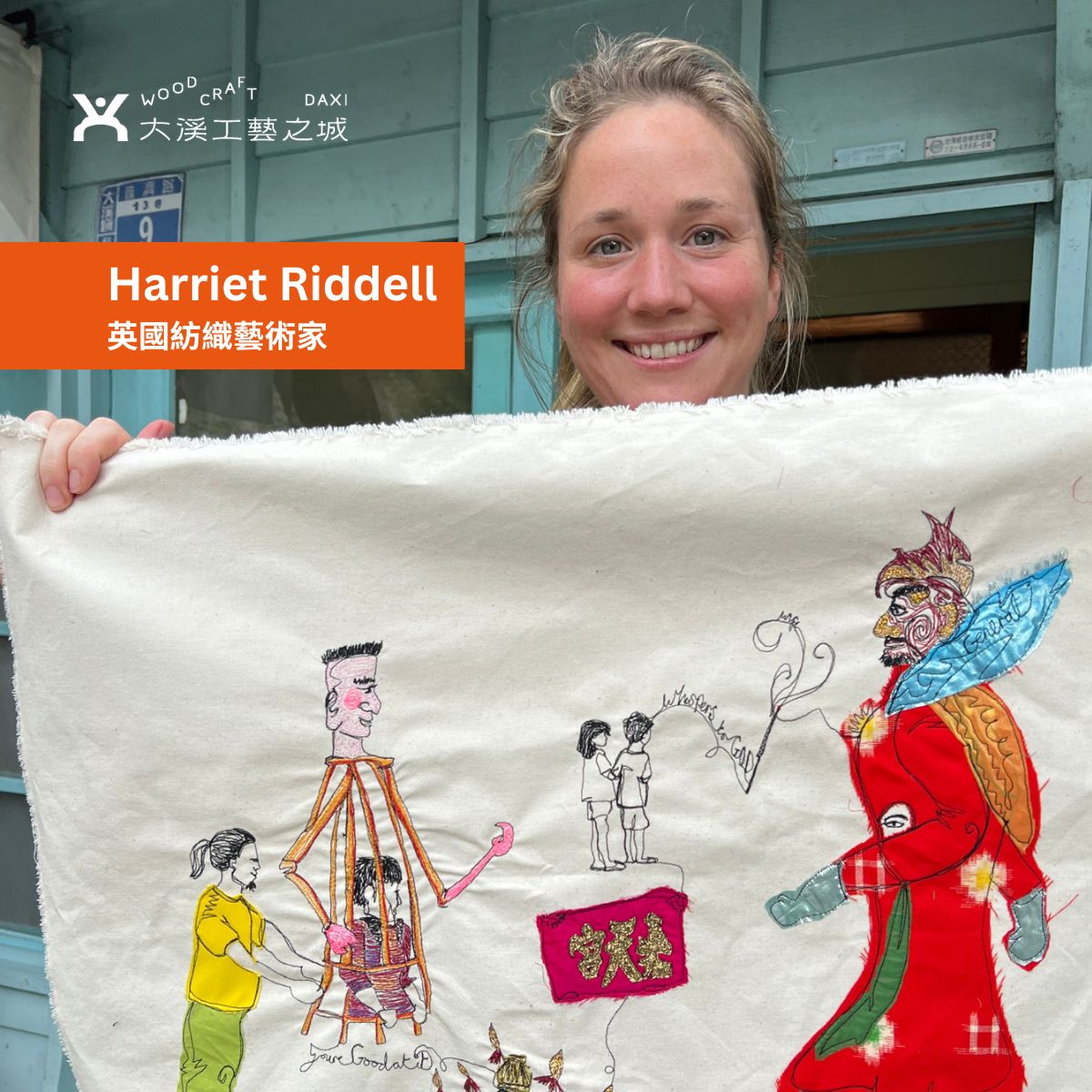
Harriet Riddell——英國紡織藝術家
第一次抵達大溪時,我立刻被這裡深厚的工藝文化所吸引。我非常喜歡大溪的樸實、貼近自然,與濃厚的鄉村氣息,走在街市間就能感受到一股真切而獨特的生命力,那樣的小鎮氛圍完美呈現臺灣這個角落的歷史底蘊。
我在這裡遇見許多致力於傳統工藝的匠師,包括木雕與漆藝。木博館就像是大溪的創作中心,能與其他創作者交流、展覽、進行教學。在大溪,工藝不只是職業,而是融入生活脈絡、流動於整個社群的精神。用縫紉機記錄「大溪大禧」慶典排練過程是我最難忘的回憶,走進幕後觀察排練,看到家族與社頭成員聚在一起練習動作,將複雜的舞步、音樂與擊鼓技巧傳承下一代,讓我見到文化資產真實流動的模樣,那樣細緻而真摯的投入深深打動了我。
Harriet Riddell – Textile performance artist, UK
When I first arrived in Daxi, I was immediately struck by its deep-rooted craft culture. I loved how grounded and close to nature the town felt—its rural charm and street markets carry a wonderful, authentic energy that reflects the historic heart of this corner of Taiwan.
During my stay, I met many artisans devoted to traditional crafts, from wood sculpture to lacquer. The Daxi Museum became a meaningful creative center for me—a dynamic hub where makers connect, exhibit, and teach. In Daxi, craft is more than a profession; it runs through the very fabric of the community.
One of my most memorable experiences was documenting the rehearsals for the “Daxi Daxi Revival” with my sewing machine. Going behind the scenes and witnessing families and communities practising movements, music, and drumming—passing their heritage to the next generation—was profoundly moving. Their dedication offered a rare glimpse into cultural heritage in motion. This intimate insight into their dedication is something I will never forget.
第一次抵達大溪時,我立刻被這裡深厚的工藝文化所吸引。我非常喜歡大溪的樸實、貼近自然,與濃厚的鄉村氣息,走在街市間就能感受到一股真切而獨特的生命力,那樣的小鎮氛圍完美呈現臺灣這個角落的歷史底蘊。
我在這裡遇見許多致力於傳統工藝的匠師,包括木雕與漆藝。木博館就像是大溪的創作中心,能與其他創作者交流、展覽、進行教學。在大溪,工藝不只是職業,而是融入生活脈絡、流動於整個社群的精神。用縫紉機記錄「大溪大禧」慶典排練過程是我最難忘的回憶,走進幕後觀察排練,看到家族與社頭成員聚在一起練習動作,將複雜的舞步、音樂與擊鼓技巧傳承下一代,讓我見到文化資產真實流動的模樣,那樣細緻而真摯的投入深深打動了我。
Harriet Riddell – Textile performance artist, UK
When I first arrived in Daxi, I was immediately struck by its deep-rooted craft culture. I loved how grounded and close to nature the town felt—its rural charm and street markets carry a wonderful, authentic energy that reflects the historic heart of this corner of Taiwan.
During my stay, I met many artisans devoted to traditional crafts, from wood sculpture to lacquer. The Daxi Museum became a meaningful creative center for me—a dynamic hub where makers connect, exhibit, and teach. In Daxi, craft is more than a profession; it runs through the very fabric of the community.
One of my most memorable experiences was documenting the rehearsals for the “Daxi Daxi Revival” with my sewing machine. Going behind the scenes and witnessing families and communities practising movements, music, and drumming—passing their heritage to the next generation—was profoundly moving. Their dedication offered a rare glimpse into cultural heritage in motion. This intimate insight into their dedication is something I will never forget.
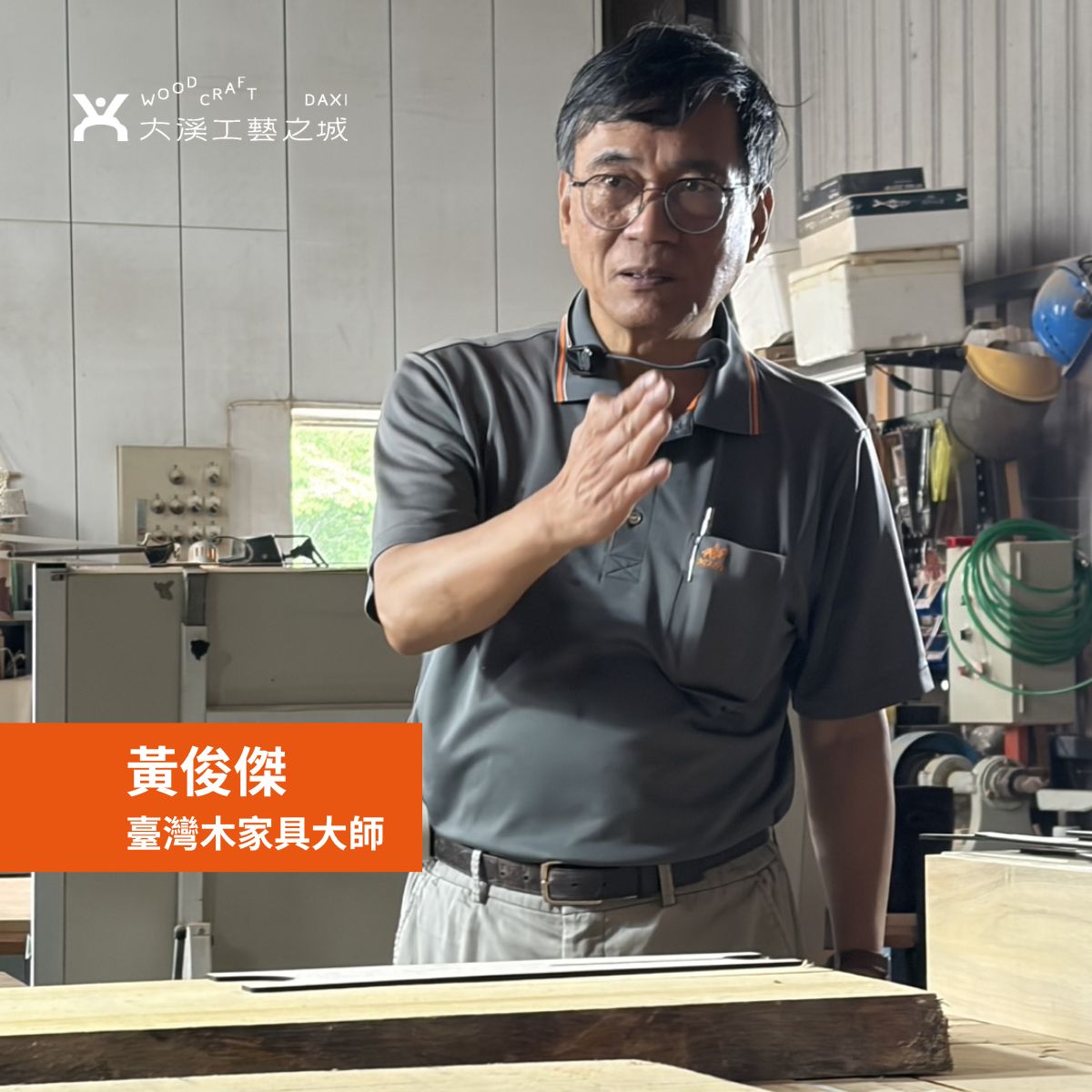
黃俊傑——臺灣木家具大師
我第一次到大溪是1976年,公東高工的畢業旅行,我們一路從慈湖玩到大溪,主修木工科的我,對滿街的神桌、訂製家具店家印象深刻,那時的大溪可以說是臺灣家具的重要集散地。1990年代,臺灣家具產業外移,傳統技術隨著老師傅的凋零逐漸消失。1997年我受臺灣工藝研究所之託,到大溪進行設計培訓,指導工匠製圖、成本估算等,以科學化的方式將傳統技術保留下來。
過去我受的是西方訓練,大溪的傳統家具工藝喚醒了我對水墨美學、唐式家具的喜愛。我希望大溪能繼續成為臺灣傳統訂製家具重鎮,工匠能跳脫傳統的束縛,敞開心胸接觸新的設計方式與思考,老師傅與年輕設計師彼此對話合作,一起把池子做大,讓大溪成為真正的家具聚落。
Huang Chun-chieh – Wood furniture master, Taiwan
I came to Daxi for the first time in 1976. On the St. Joseph Technical High School graduation trip, we visited Cihu and then Daix. Since I studied carpentry, the numerous altar tables and the custom-made furniture stores in the street left a very deep impression on me. Back then, Daxi was the hub of the Taiwanese furniture industry. In the late 1990s, many furniture companies moved overseas, and the traditional skills gradually disappeared as the old craftsmen retired. In 1997, I was invited by National Taiwan Craft Research and Development Institute to run a training course, teaching craftsmen how to draw and estimate cost, trying to save the traditional skills with scientific methods.
I had Western-style training in the past. The traditional furniture in Daxi awakened my love for ink wash painting and the Chinese-style furniture. I hope Daxi will continue to be the hub of Taiwanese traditional custom-made furniture, and the craftsmen are willing to free themselves from the restrictions imposed by the traditions and accept the new design methods and thinking. The old craftsmen and the young designers talk and work with each other. Together, we revive the business, making Daxi truly a center for furniture production.
我第一次到大溪是1976年,公東高工的畢業旅行,我們一路從慈湖玩到大溪,主修木工科的我,對滿街的神桌、訂製家具店家印象深刻,那時的大溪可以說是臺灣家具的重要集散地。1990年代,臺灣家具產業外移,傳統技術隨著老師傅的凋零逐漸消失。1997年我受臺灣工藝研究所之託,到大溪進行設計培訓,指導工匠製圖、成本估算等,以科學化的方式將傳統技術保留下來。
過去我受的是西方訓練,大溪的傳統家具工藝喚醒了我對水墨美學、唐式家具的喜愛。我希望大溪能繼續成為臺灣傳統訂製家具重鎮,工匠能跳脫傳統的束縛,敞開心胸接觸新的設計方式與思考,老師傅與年輕設計師彼此對話合作,一起把池子做大,讓大溪成為真正的家具聚落。
Huang Chun-chieh – Wood furniture master, Taiwan
I came to Daxi for the first time in 1976. On the St. Joseph Technical High School graduation trip, we visited Cihu and then Daix. Since I studied carpentry, the numerous altar tables and the custom-made furniture stores in the street left a very deep impression on me. Back then, Daxi was the hub of the Taiwanese furniture industry. In the late 1990s, many furniture companies moved overseas, and the traditional skills gradually disappeared as the old craftsmen retired. In 1997, I was invited by National Taiwan Craft Research and Development Institute to run a training course, teaching craftsmen how to draw and estimate cost, trying to save the traditional skills with scientific methods.
I had Western-style training in the past. The traditional furniture in Daxi awakened my love for ink wash painting and the Chinese-style furniture. I hope Daxi will continue to be the hub of Taiwanese traditional custom-made furniture, and the craftsmen are willing to free themselves from the restrictions imposed by the traditions and accept the new design methods and thinking. The old craftsmen and the young designers talk and work with each other. Together, we revive the business, making Daxi truly a center for furniture production.


