展覽
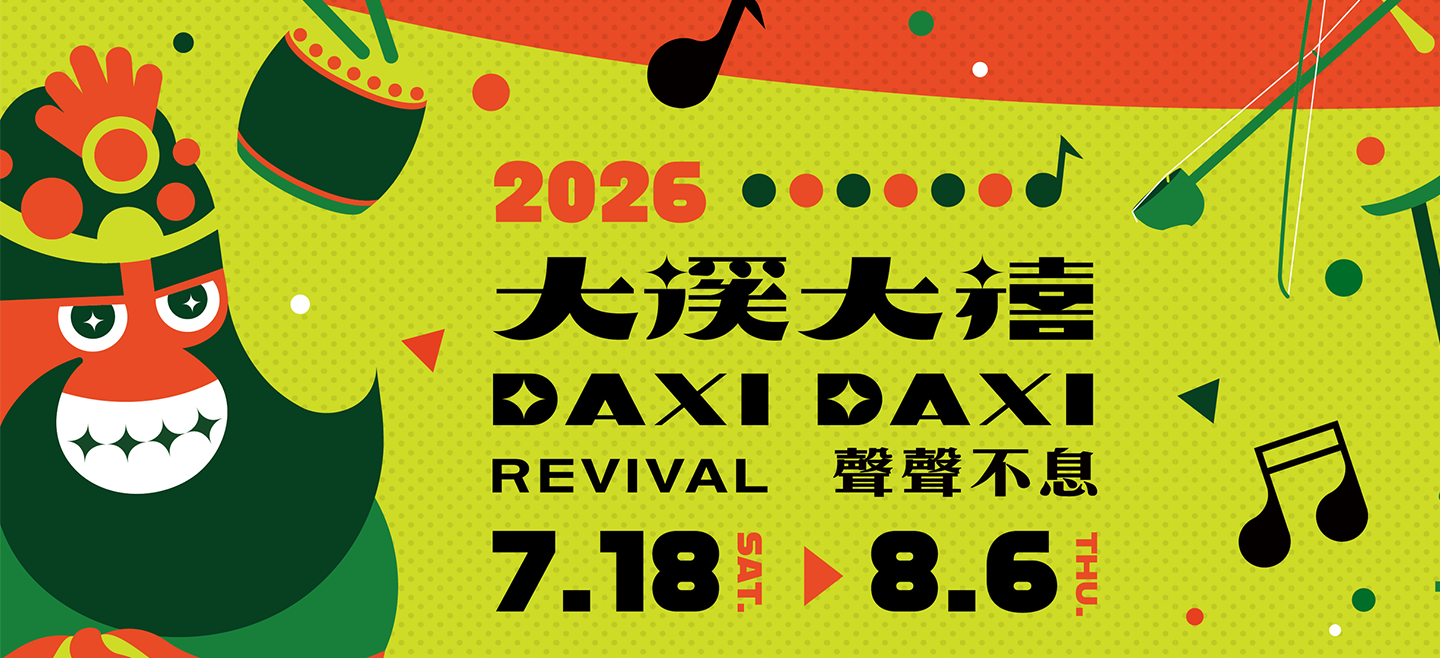
2026大溪大禧以「聲聲不息 」REVIVAL為年度主題,聚焦大溪慶典音樂文化,從北管、西樂到鑼鼓等音樂性藝陣出發,重新看見迎六月廿四如何透過聲音串起地方信仰、社頭文化與居民情感。
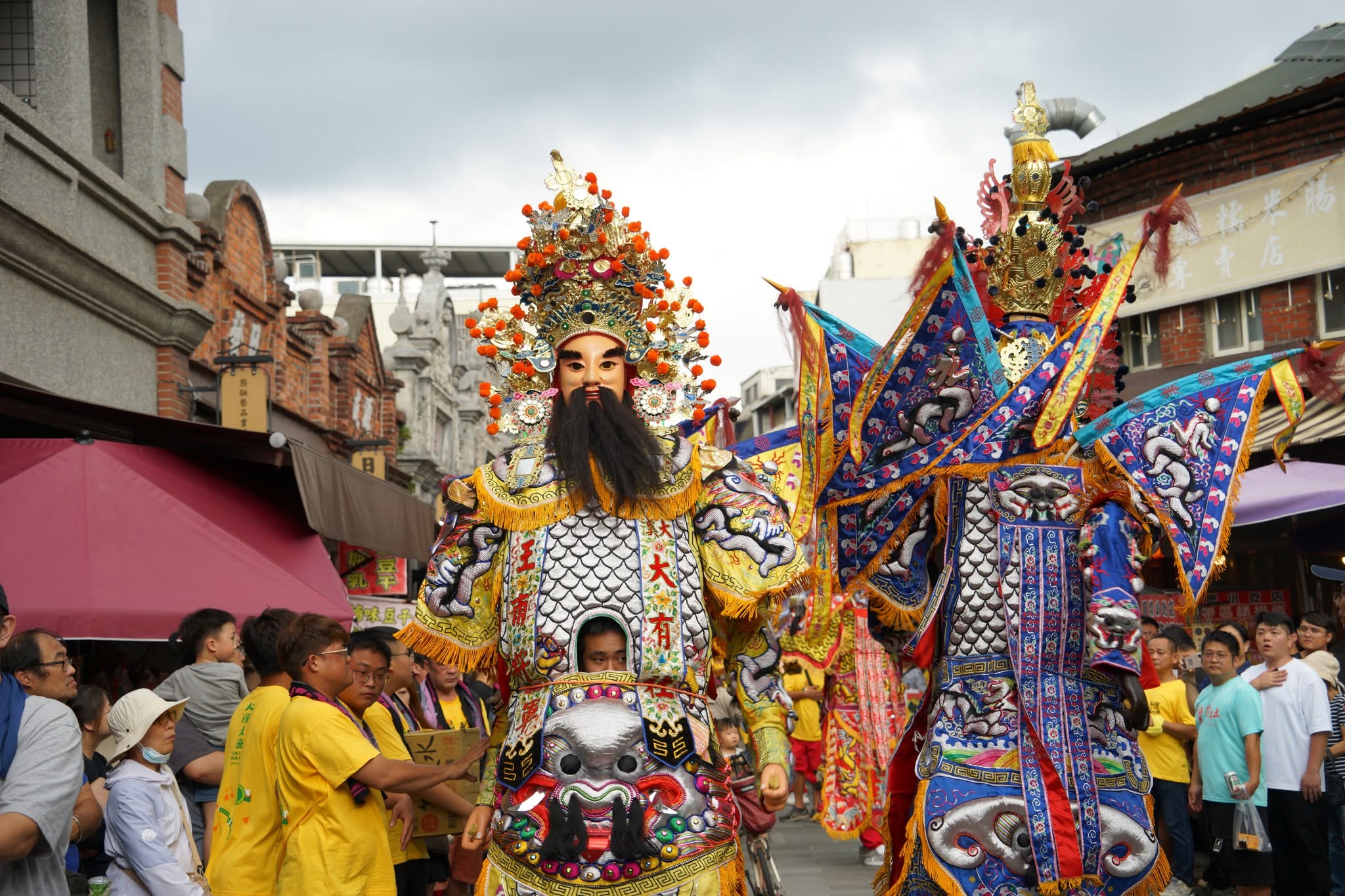
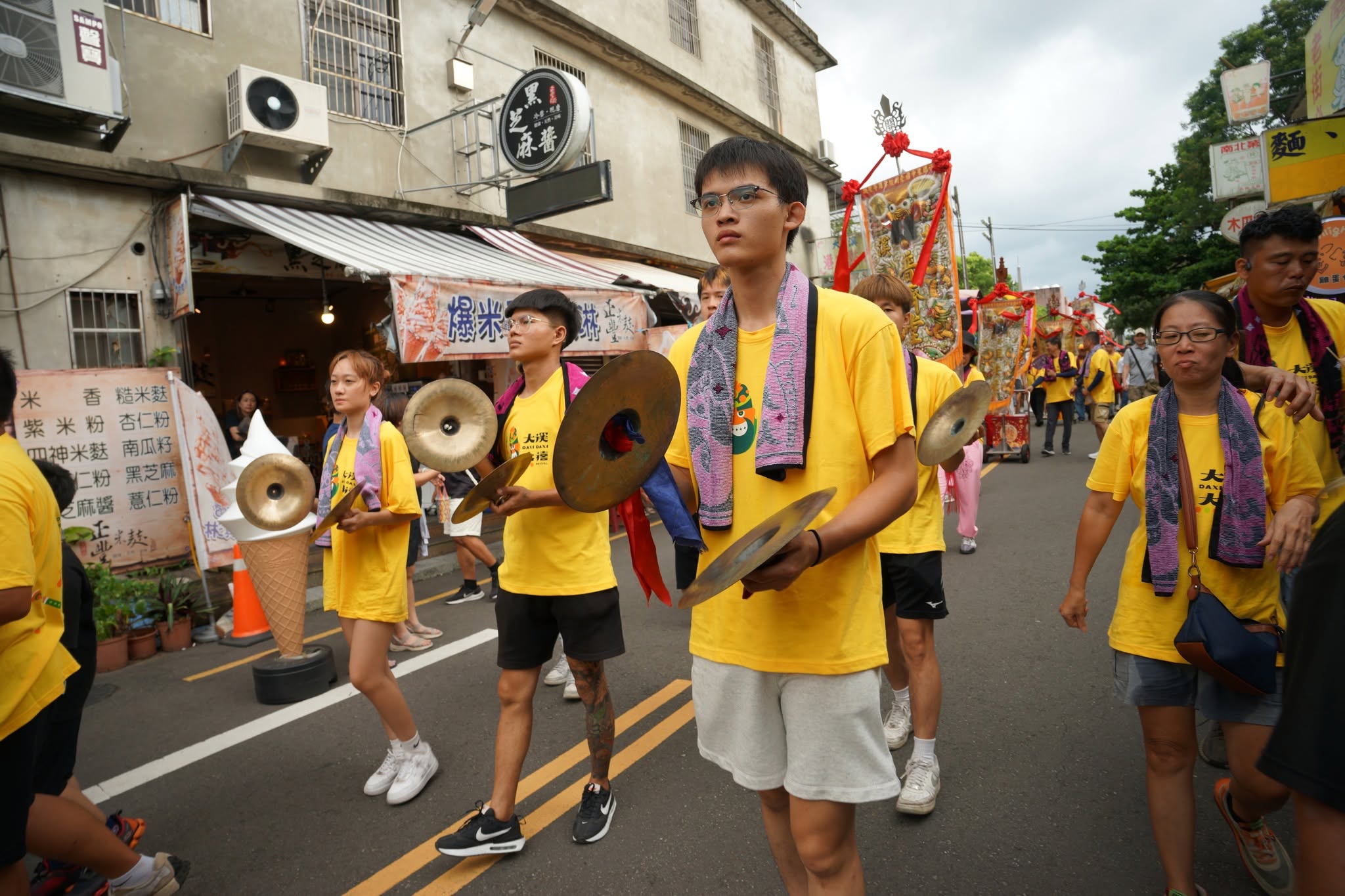
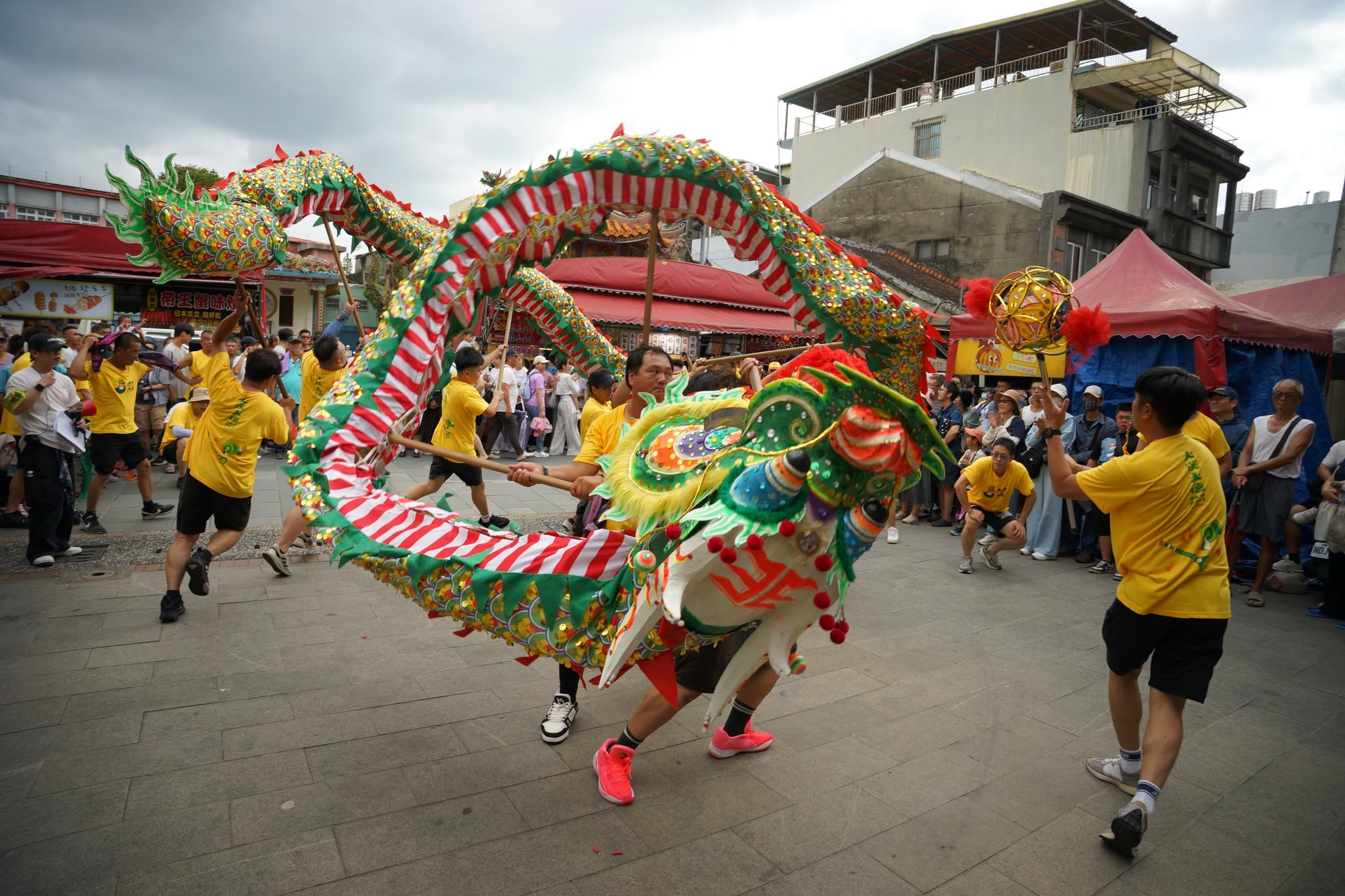
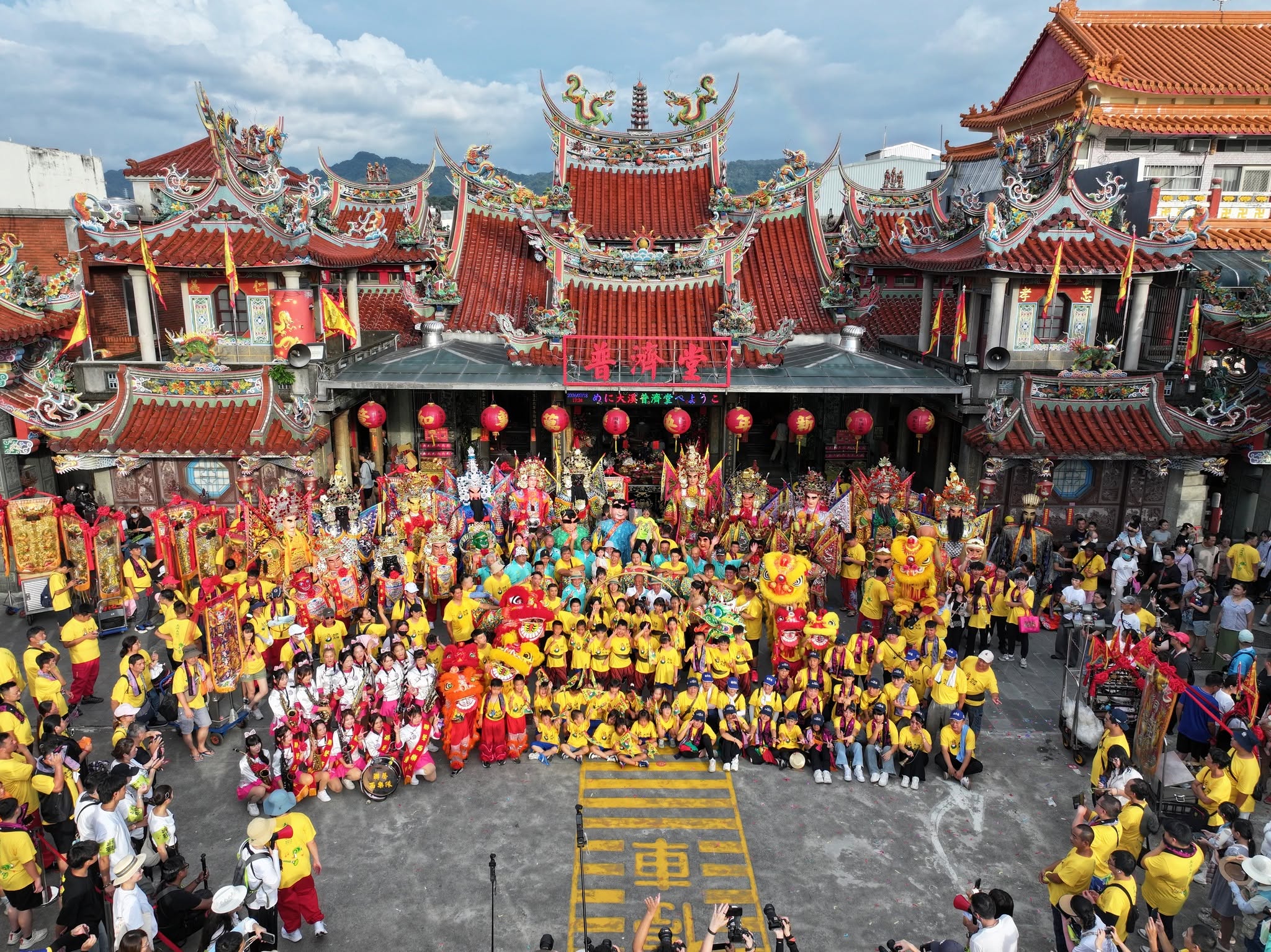
那些迴盪於街巷之間的嗩吶聲、鼓聲與人聲,不僅是慶典的背景音,更是大溪人共同的文化記憶與世代傳承的生活節奏。 大溪普濟堂關聖帝君聖誕慶典為桃園首個登錄的民俗類無形文化資產,自日治時期發展至今,社頭透過北管、西樂與各式藝陣參與遶境,形成獨特的慶典音樂風景。
本屆大溪大禧以音樂為線索,透過遶境匯演、跨界音樂會、文化劇場、感官走讀、教育推廣與沉浸體驗等多元活動,邀請民眾走進大溪街區,在聲音與信仰交織的文化現場中,感受百年香火聲聲不息的生命力,共同參與屬於大溪人的第二個過年。
The theme of 2026 Daxi Daxi REVIVAL is "Sounds of Revival." This year's festival celebrates Daxi's rich musical traditions, highlighting the vibrant sounds of Beiguan, Western bands, percussion ensembles, and other festival performance arts that have long been at the heart of the Welcoming the 24th Day of the Sixth Lunar Month celebration.The resonant melodies of the suona, the rhythmic beats of drums, and the voices that echo through Daxi's streets are more than the soundtrack of a festival—they are living expressions of the town's collective memory, community identity, and generations of cultural heritage.The Birthday Celebration of Emperor Guan at Daxi Puji Temple was the first folk custom in Taoyuan to be officially designated as an Intangible Cultural Heritage. Since the Japanese colonial period, Daxi's community associations have participated in the annual procession with Beiguan music, Western bands, lion dances, dragon dances, deity figures, and other traditional performance groups, creating a distinctive soundscape that defines the town's most important annual celebration.Guided by the theme of music, 2026 Daxi Daxi REVIVAL presents a diverse program of events, including grand procession performances, crossover concerts, cultural theatre productions, immersive walking experiences, educational workshops, and interactive cultural activities. Visitors are invited to explore the streets of Daxi, experience the powerful connection between music and faith, and discover the enduring vitality of a century-old celebration that continues to unite the community in what locals affectionately call their "second Lunar New Year."
那些迴盪於街巷之間的嗩吶聲、鼓聲與人聲,不僅是慶典的背景音,更是大溪人共同的文化記憶與世代傳承的生活節奏。 大溪普濟堂關聖帝君聖誕慶典為桃園首個登錄的民俗類無形文化資產,自日治時期發展至今,社頭透過北管、西樂與各式藝陣參與遶境,形成獨特的慶典音樂風景。
本屆大溪大禧以音樂為線索,透過遶境匯演、跨界音樂會、文化劇場、感官走讀、教育推廣與沉浸體驗等多元活動,邀請民眾走進大溪街區,在聲音與信仰交織的文化現場中,感受百年香火聲聲不息的生命力,共同參與屬於大溪人的第二個過年。
The theme of 2026 Daxi Daxi REVIVAL is "Sounds of Revival." This year's festival celebrates Daxi's rich musical traditions, highlighting the vibrant sounds of Beiguan, Western bands, percussion ensembles, and other festival performance arts that have long been at the heart of the Welcoming the 24th Day of the Sixth Lunar Month celebration.The resonant melodies of the suona, the rhythmic beats of drums, and the voices that echo through Daxi's streets are more than the soundtrack of a festival—they are living expressions of the town's collective memory, community identity, and generations of cultural heritage.The Birthday Celebration of Emperor Guan at Daxi Puji Temple was the first folk custom in Taoyuan to be officially designated as an Intangible Cultural Heritage. Since the Japanese colonial period, Daxi's community associations have participated in the annual procession with Beiguan music, Western bands, lion dances, dragon dances, deity figures, and other traditional performance groups, creating a distinctive soundscape that defines the town's most important annual celebration.Guided by the theme of music, 2026 Daxi Daxi REVIVAL presents a diverse program of events, including grand procession performances, crossover concerts, cultural theatre productions, immersive walking experiences, educational workshops, and interactive cultural activities. Visitors are invited to explore the streets of Daxi, experience the powerful connection between music and faith, and discover the enduring vitality of a century-old celebration that continues to unite the community in what locals affectionately call their "second Lunar New Year."